BUSINESS · BLACKSMITHING
Misty Mountain Forge
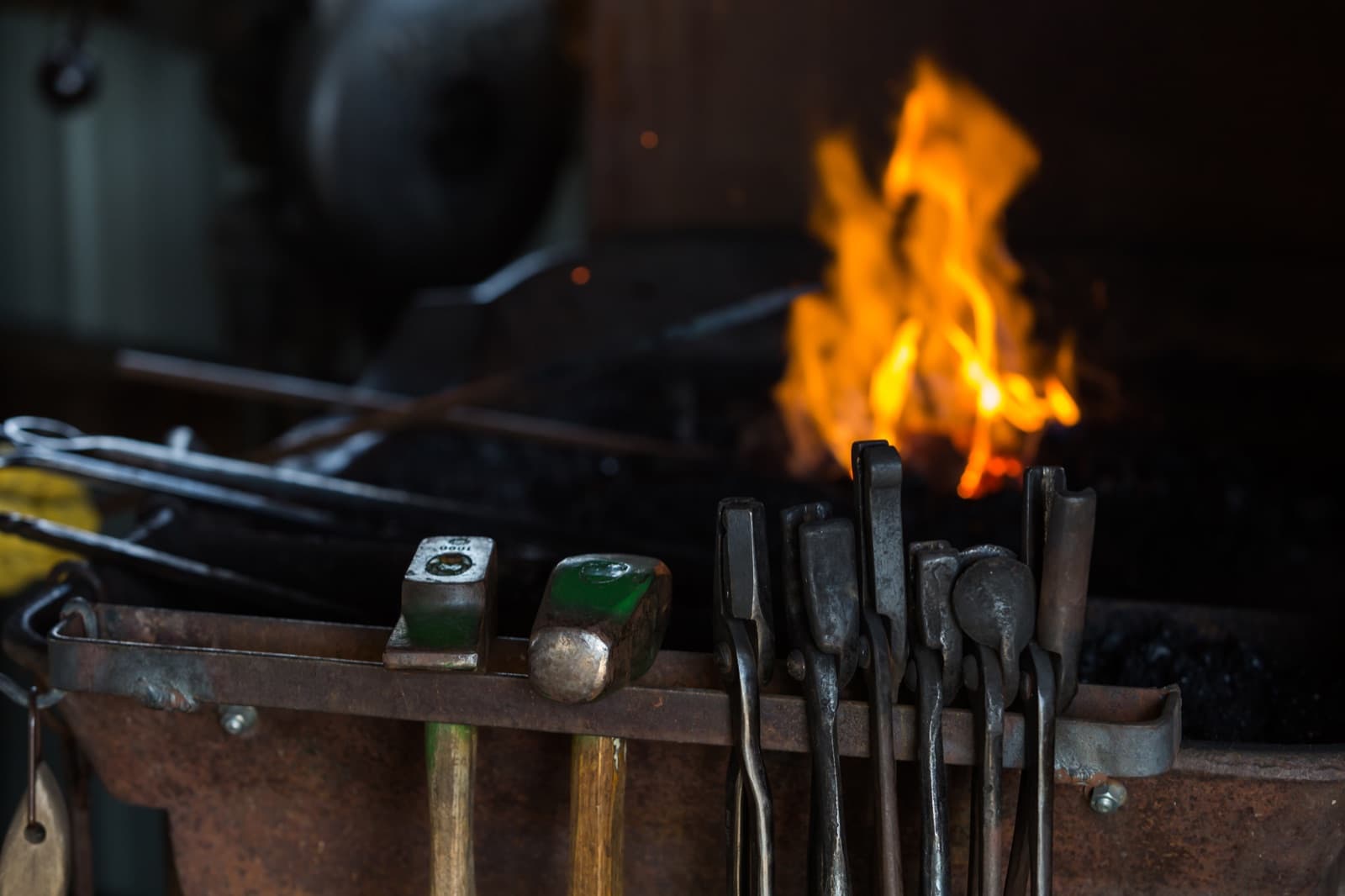
A working blacksmith shop in Hartland, Vermont. I built it at fourteen, starting with a six-foot stone wall I laid by hand from rocks hauled off the property, and ran it as a business for three years.
Visit the forge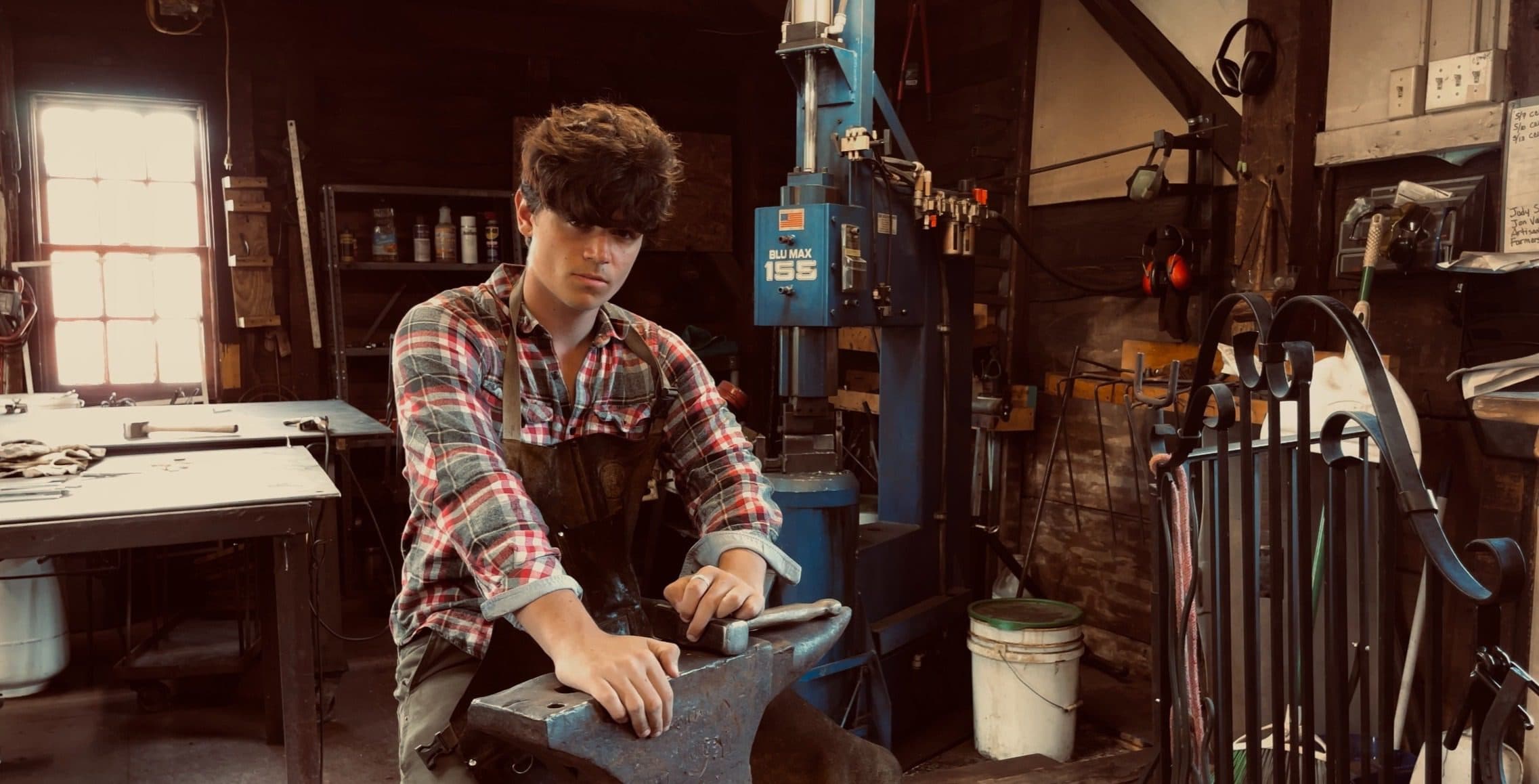
- Age 14
- built the forge myself
- Hundreds
- of pieces forged, listed and shipped
- 3 years
- run as a business
- Coal → gas
- converted the shop
FEATURE BY FEATURE
What Misty Mountain Forge actually does
01
Building the forge
The first one was a shop vac with its polarity reversed, blowing air into a straight pipe under a bed of coals. It worked, which is the only test that matters. Everything after that was iteration on a thing that already ran.
BUILT WITH
Salvaged parts and a lot of reading. Later: a proper firepot, a hand-cranked blower, and eventually a propane burner.
02
Three walls, laid by hand
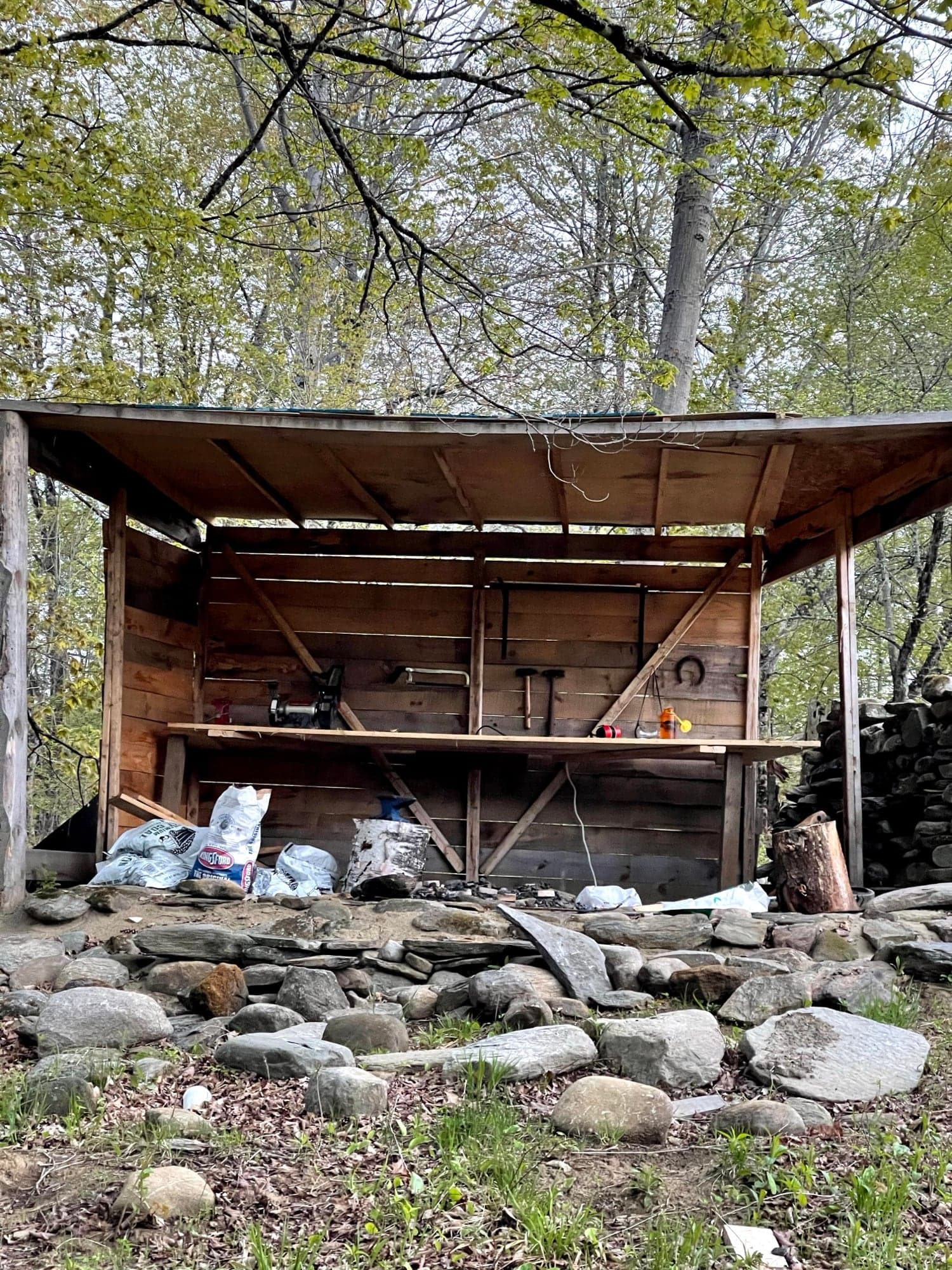
The shop sits by the Ottauquechee River, and its three main walls are dry-laid flagstone I pulled out of the riverbed myself. Dry-laid means no mortar. The stones hold by weight and fit alone, so every one has to be chosen for the gap it fills.
BUILT WITH
River-bed flagstone, dry-stacked. Vermont has been building walls this way for two hundred years because they outlast the mortar.
03
Coal to propane
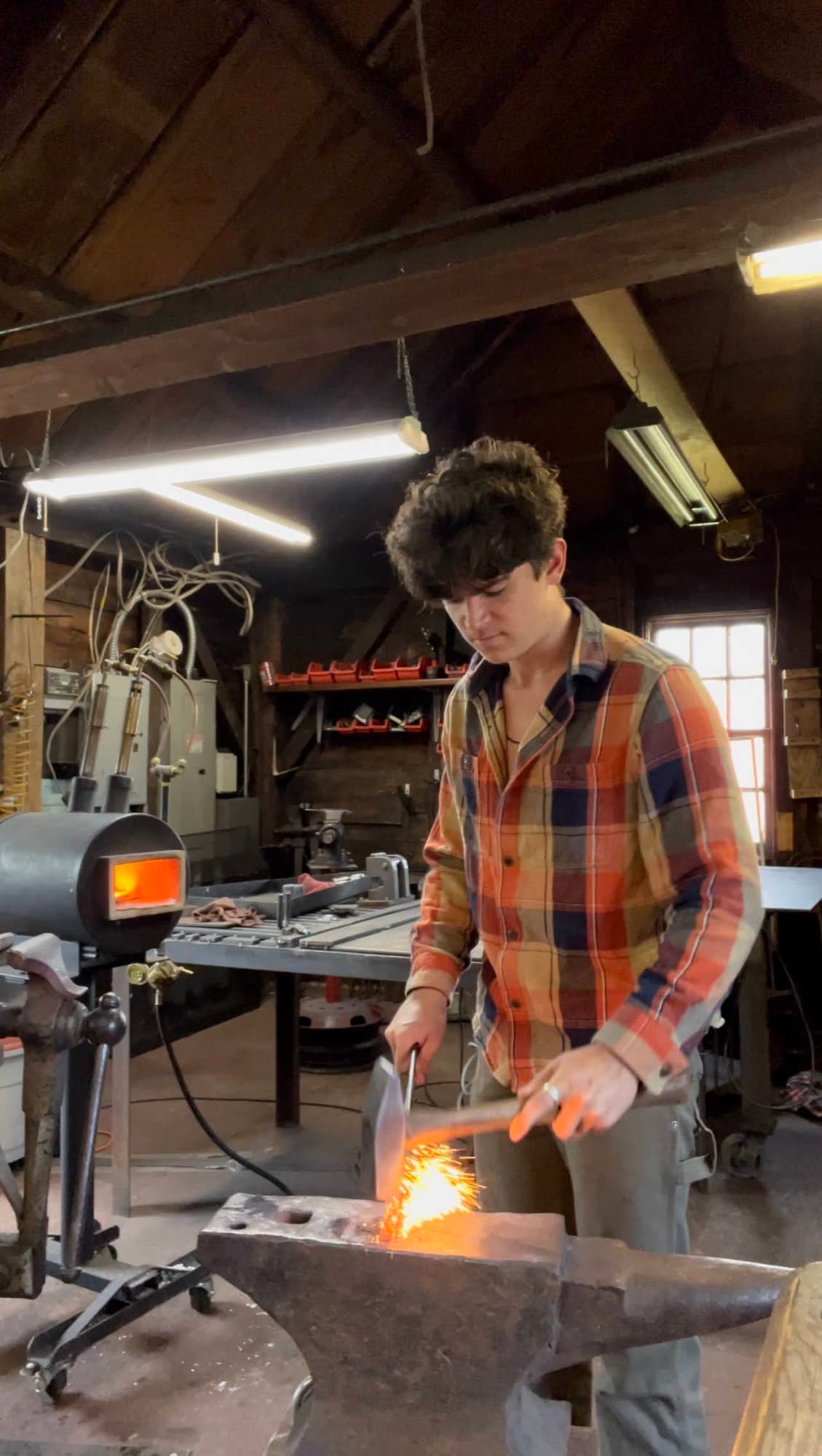
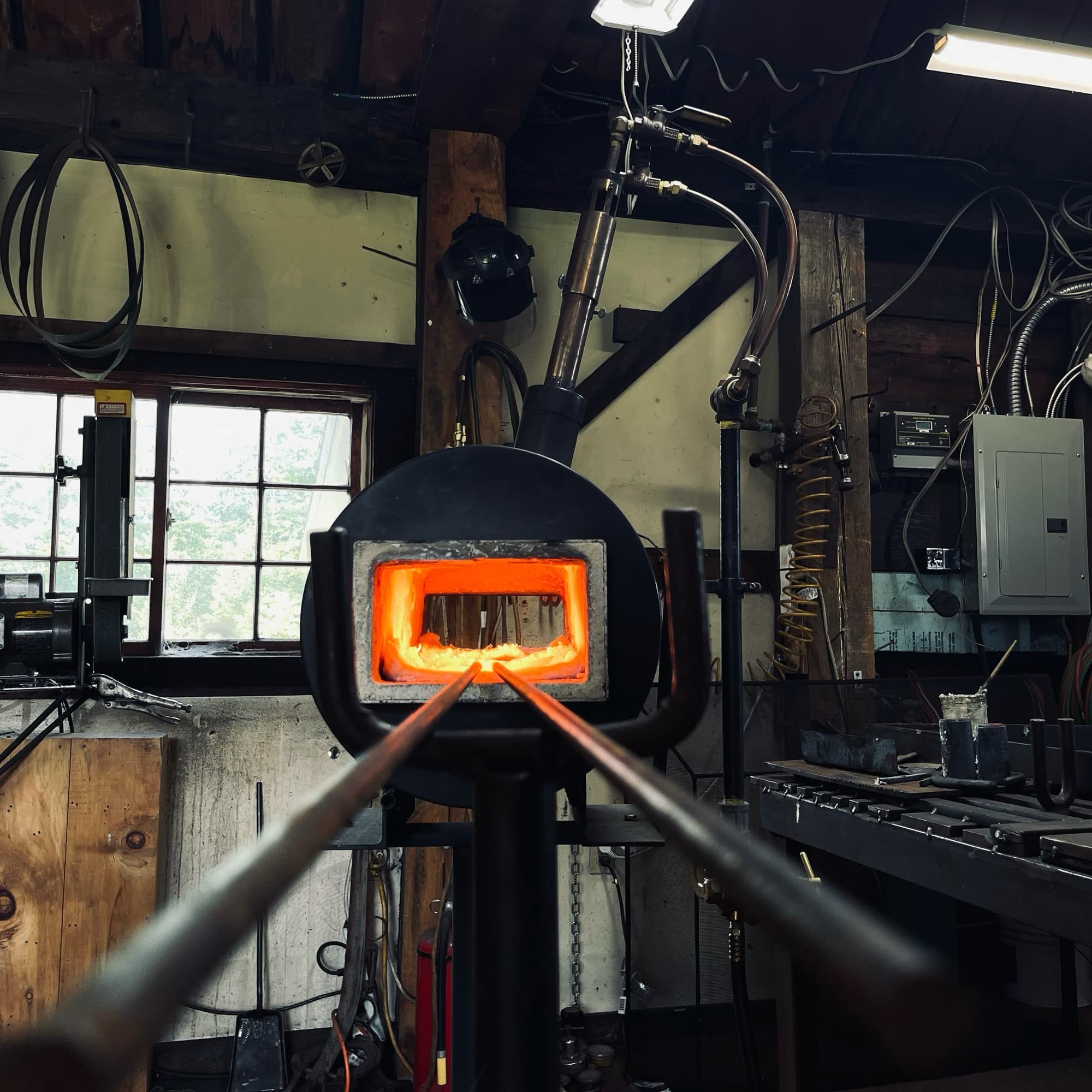
A coal forge is authentic and it fills the building with smoke and sparks. Converting to propane took the smoke out, made heat repeatable instead of a judgement call, and stopped me worrying about the shop burning down while I was at school.
BUILT WITH
A propane burner and a rebuilt forge body. Traditional technique, modern fuel. The part of heritage craft worth keeping is the technique, not the hazard.
04
The product line
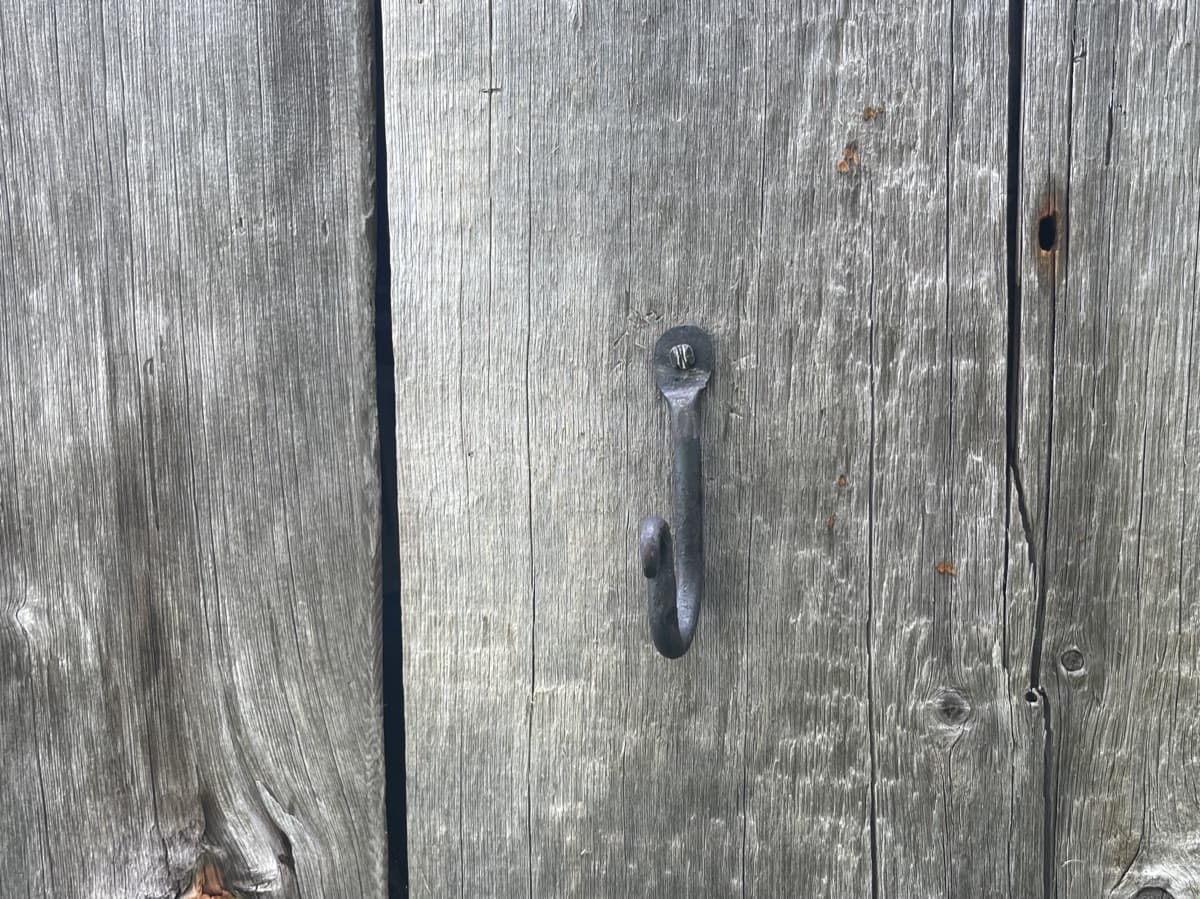
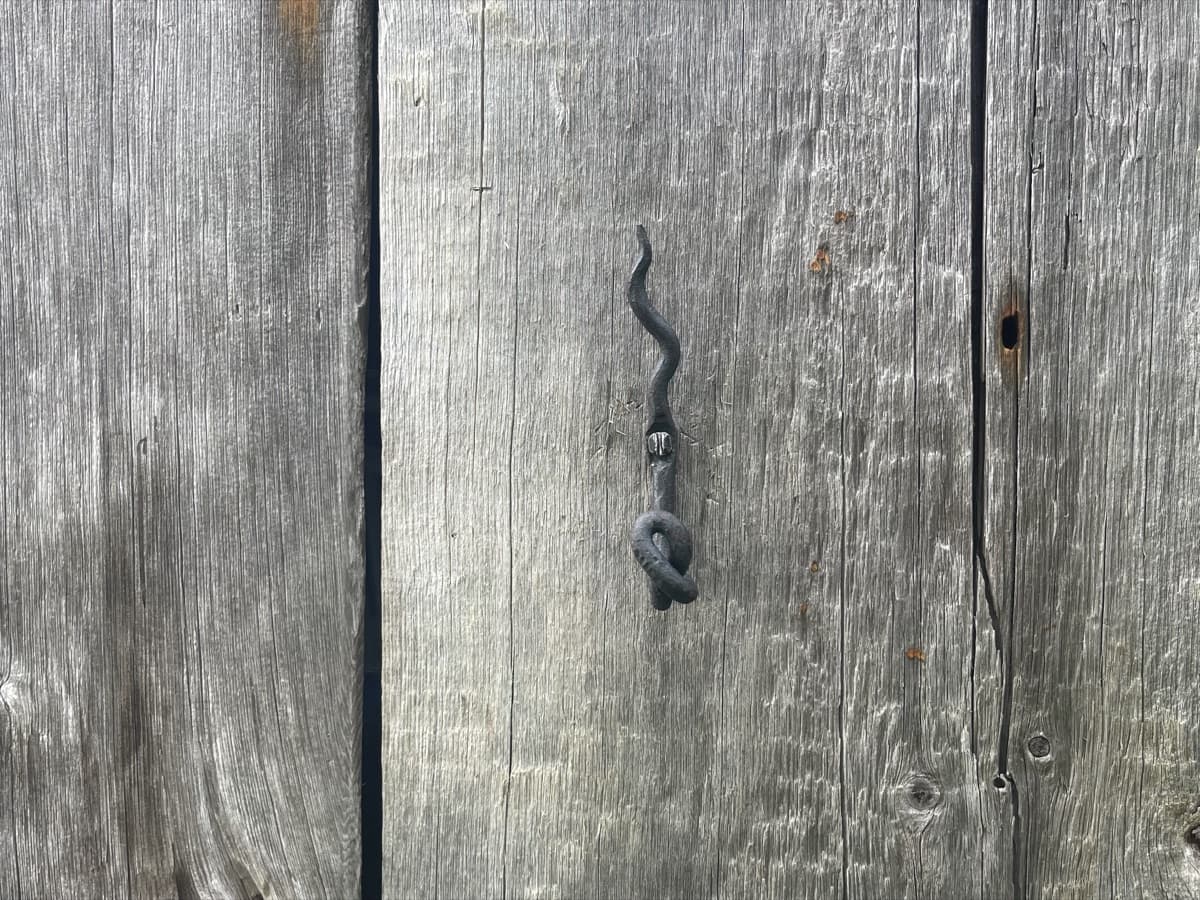
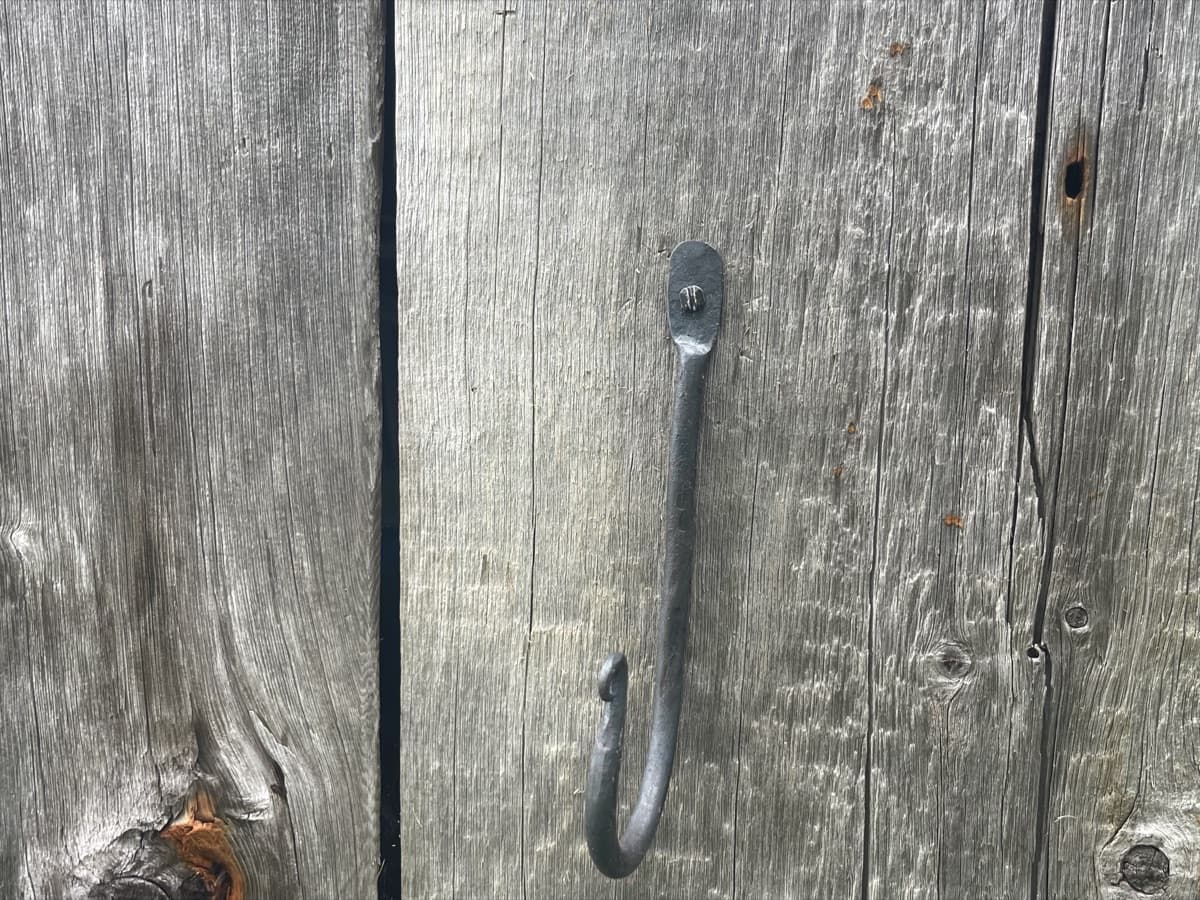
Hooks, fireplace tools and hardware in wrought iron. Hooks turned out to be the right unit: fast enough to make in volume, distinctive enough that people buy a second one, and small enough to ship without freight.
BUILT WITH
Hand-forged from wrought iron. Scrolled, twisted, spade-ended and flame-topped variants, all off one basic sequence of operations.
05
Running it as a business
I trained and led the other smiths, ran the production workflow, and owned marketing and sales: the storefront, the listings, and the product photography, which is the part most makers skip and then wonder why nothing sells.
BUILT WITH
An Etsy storefront plus direct sales, shot and written in-house. You cannot undo a hammer blow, so you plan the whole sequence before the metal is hot, which is also how I write software.
01How it started
At fourteen I saw a video on blacksmithing and reversed the polarity of my father's shop vac to blow air into a pipe under a bed of coals. That was the first forge, and it worked. The shop that grew out of it sits by the Ottauquechee River, its three main walls dry-laid from flagstones I pulled out of the riverbed.
It started as a coal forge and I converted it to propane, which took the smoke out and stopped me worrying about setting the building on fire.
02Running it as a business
Hooks, fireplace tools and hardware, all hand-forged from wrought iron. I ran a high-throughput production workflow, trained and led the other smiths in the shop, and owned marketing and sales: the storefront, the product photography, the listings.
It is also the most useful design education I have had. You cannot undo a hammer blow, so you learn to plan the whole sequence before the metal is hot.
03Built with
- Wrought iron
- Production
- Marketing & sales
- Teaching